
How Many Species Can You Find in the UH Biodiversity Garden?
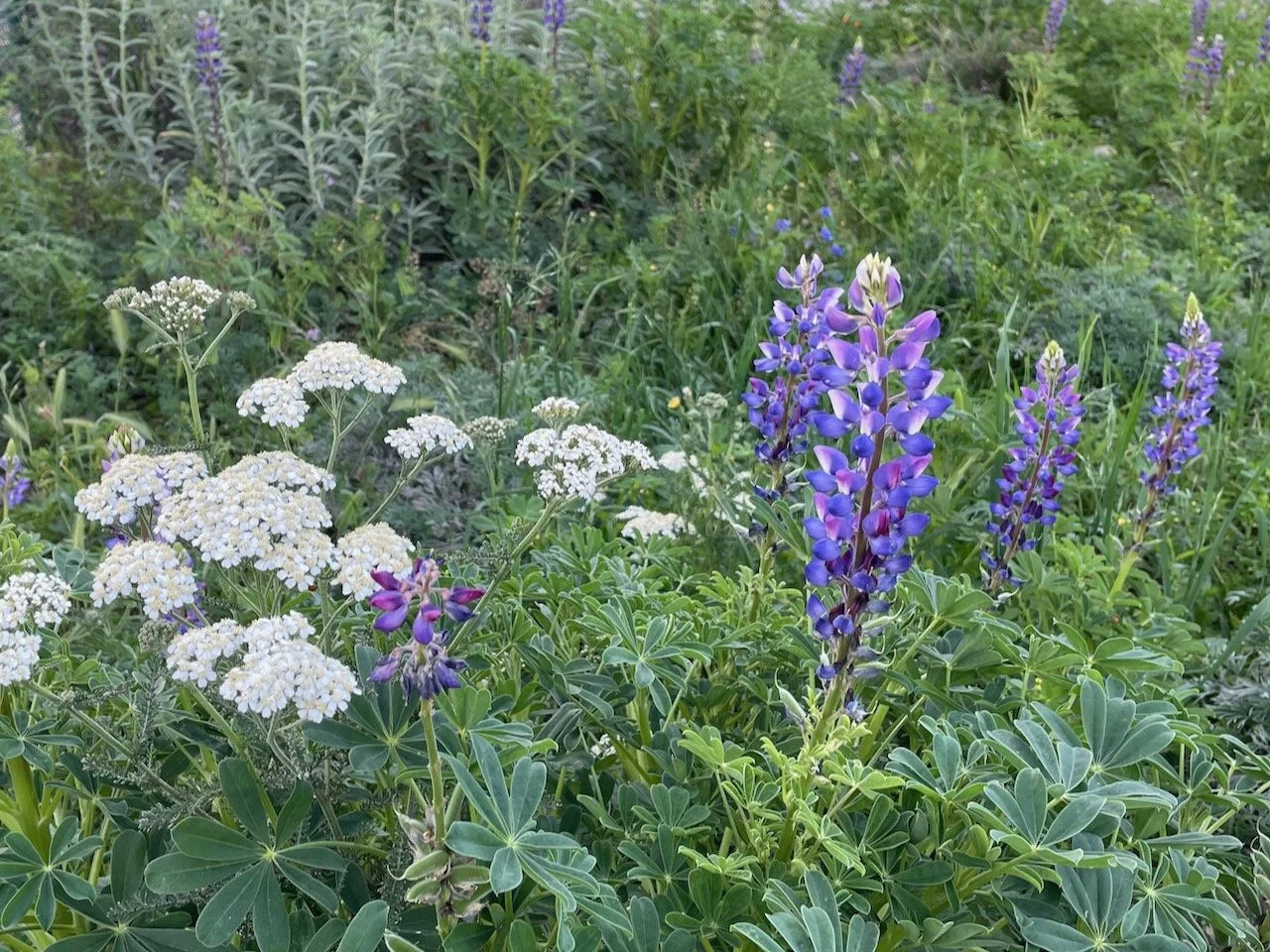
Our community Biodiversity Gardens along the parkway on Meade Ave. and in the Birney joint-use field are in full bloom! Stop by and challenge yourself to identify as many species of plants and animals in the garden as possible. To help you identify what you are seeing, use an app such as Seek or iNaturalist to help you identify the species. Plants with flowers are the easiest to identify as the flowers are usually unique among each species. The native plants in the Biodiversity Garden are maintained by a volunteer crew every Second Saturday of the month. Please join us on Sat., April 11, from 8 to 11 a.m. for our next event!
Our team has been working hard to make UH more beautiful with drought- tolerant native plants, and the results have been amazing! But they can do so much more, and so can you! By donating to this dedicated campaign, your money will be matched dollar-for-dollar by UHCA to pur-chase more plants, mulch, and supplies. Scan the QR code, or go to www.uhsd.org/nativeplantsdonate and help us make UH more beautiful- sustainably! you! WE NEED Do you have a passion for our parks- Old Trolley Barn Park, the Birney Joint Use Field, our Off-Leash Dog Park, and the open spaces around UH like The Point? The UHPROSAG is the advisory group that works with SD Parks & Recreation to help define programs, prioritize improvements, and to be the voice of our community. We need volunteers to join us on the 1st Thursday of the month at 5:30pm meeting in the library at Birney Elementary.
Our team has been working hard to make UH more beautiful with drought-tolerant native plants, and the results have been amazing! But they can do much more, and so can you. By donating to this dedicated campaign, you are helping purchase more plantings, mulch, and supplies.
Go to www.uhsd.org/nativeplantsdonate and help us make UH more beautiful–and do it more sustainably!